
INTERVIEW: The Wacky Wisdom of Public Access TV: “When We Were Live” Hits ATLFF 50
A hidden-gem documentary that’ll make you yearn for yesteryear
The in-person run of the 50th Atlanta Film Festival has officially concluded, but the festivities are far from over. The virtual fest is in full swing, inviting audiences from all across the globe to watch some stellar selects from this year’s lineup. As you peruse the catalog, I’d like to recommend a lovely little documentary from the heart of Austin, Texas.
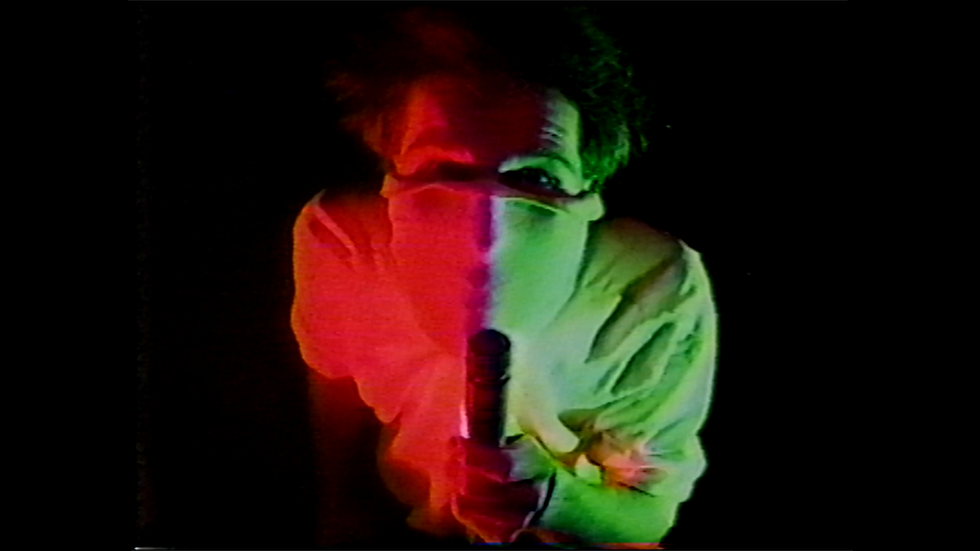
When We Were Live is a found footage doc capturing the wackiness and wonder of the city’s historic public access television scene. The project is a time capsule of the 1990s, showcasing the medium’s evolution from a fun creative outlet to a poignant tool for activism, education, and unity. Amidst the hustle and bustle of the Tara Theatre’s lobby, I had the absolute pleasure of interviewing director John Spottswood Moore and producer Keeley Steenson, co-writers of When We Were Live.
Moore said the project was originally conceived as a short about a single subject in the public access scene, but interview conversations connected the team to a handful of other former hosts, ultimately plugging them into vast network of contributors. Tapes were gifted, stories were shared, and it wasn’t long before the writing duo found themselves up to their chins in archival footage. “It’s almost like it was a subject waiting to be tackled because more and more people were getting on board with it,” Moore shared. “It became very obvious that it was so much more than just a short, that this was a story of an entire town and of an entire generational thing.”

When We Were Live highlights the diversity of content, genre, and people that utilized this long-lost format. From drag queens and metalheads to church choirs and matchmakers, it seemed like there was a show from and for every corner of Austin’s community. Similar to modern platforms like YouTube, Instagram, and Vine (Moore deemed the defunct app “the greatest thing ever made” and likened its 7-second restriction to the innovative mindset required to fill a public access slot), Steenson and Moore found that public access provided “participatory” opportunities for audiences to tap into what was happening around them, but the medium’s greatest strengths were actually found in its limitations. “If you went a couple towns over, you couldn’t get this stuff,” Moore said. “You knew that everything you were watching was very of a place, and you could even, a lot of times, go down to the studio and participate yourself.”
In addition to all the fun shenanigans, many of the shows featured in the doc evolved into powerful forces for resistance. For example, David Haun originally started his program to sell jewelry, only to notice the lack of queer representation onscreen. Thus, drag queen Carmen Banana was born, sharing memorable songs and sketches each week. As the AIDS crisis began to skyrocket, Haun transformed his show into a humorous and helpful educational resource on safe sex, treatments, and queer life in Austin. “The story of a lot of artists or people that do things like that is they start out for different creative reasons, and then it kind of pivots sometimes into [...] becoming a staple of the community,” Moore shared.

Furthermore, Steenson and Moore stumbled upon a remarkable amount of historical footage, from Gilberto Rivera’s preservation of Chicano mural culture to protests from when the KKK came to town. “There’s a fascinating history of media used to protect the people and [be] the voice of the people,” Steenson said, pointing out the remarkable similarities between the archives and modern activism like 2020’s Black Lives Matter movement. Moore later noted that community-captured video was used to combat the “gaslighting” from larger media groups about what had actually transpired, and he encouraged the importance of this documentation using a line from Rivera: “The more people see, the more they understand.”
When We Were Live is a one-of-a-kind journey through time and culture, offering a first-hand glimpse into the power of community and media. In an increasingly digital (and artificially intelligent) age, the filmmakers behind this documentary hope it inspires a resurgence in the creative spirits found in 90s Austin. “I hope people celebrate more these found things from the past that you know are 100% authentic,” Moore smiled. “They’re not generated, and they’re not emulating something else.”
Steenson closed by emphasizing the importance of increased media accessibility: “To me, also, democratization of who has access to these stories [is crucial], for the sake of just expressing themselves, making art and being silly and weird and racking their brain for how they’re gonna fill the hour [...] every week, and the stuff where they have a story they feel needs to be told. [...] The whole gamut is all important.”

When We Were Live is available to stream through the virtual Atlanta Film Festival until May 11th. Follow @whenwewerelive for more updates.


